
Frequently Asked Questions:
If you have questions or concerns about any of these topics, please contact our office
- What is a Pediatric Dentist?
- How can a pediatric dentist care for my child’s teeth?
- What are recommendations for early infant oral care?
- How to plan for your child's first dental visit?
- How do dental X-Rays help in your child’s care?
- What is the best toothpaste for my child?
- Is thumb sucking bad for children’s teeth?
- How can you help a child get through thumb sucking?
- What is baby bottle tooth decay?
- How does baby bottle tooth decay start?
- Why is it important to maintain health of baby teeth?
- What is the purpose of primary teeth?
- Why is it important to maintain the health of primary teeth?
- In what order do primary teeth emerge?
- What happens if baby teeth aren’t taken care of?
- What can I do to prevent baby bottle tooth decay?
- What can I do to prevent tooth decay?
- What causes cavities?
- How will I know if my child has a cavity?
- How do I prevent cavities?
- How do sealants and fluoride prevent cavities?
- What to do when your child grinds their teeth (at night)?
- What are some symptoms of grinding of teeth?
- What causes grinding of the teeth (or bruxism)?
- How can grinding of teeth damage my child's teeth?
- How is grinding of teeth (bruxism) treated?
- How to prevent against injuries?
- What to do if teeth are coming in behind baby teeth?
- What is Pulp Therapy?
- What is the best time for Orthodontic Treatment?
- How can parents (& caregivers) help at home?
What is a Pediatric Dentist?
The pediatric dentist has an extra two to three years of specialized training after dental school, and is dedicated to the oral health of children from infancy through the teenage years. The very young, pre-teens, and teenagers all need different approaches in dealing with their behavior, guiding their dental growth and development, and helping them avoid future dental problems. The pediatric dentist is best qualified to meet these needs.
How can a pediatric dentist care for my child’s teeth?
Pediatric oral care has two main components: preventative care at the pediatric dentist’s office and preventative care at home. Though infant and toddler caries (cavities) and tooth decay have become increasingly prevalent in recent years, a good dental strategy will eradicate the risk of both.
The goal of preventative oral care is to evaluate and preserve the health of the child’s teeth. Beginning at the age of twelve months, the American Dental Association (ADA) recommends that children begin to visit the pediatric dentist for “well baby” checkups. In general, most children should continue to visit the dentist every six months, unless instructed otherwise.
The pediatric dentist examines the teeth for signs of early decay, monitors orthodontic concerns, tracks jaw and tooth development, and provides a good resource for parents. In addition, the pediatric dentist has several tools at hand to further reduce the child’s risk for dental problems, such as topical fluoride and dental sealants.
During a routine visit to the dentist: the child’s mouth will be fully examined; the teeth will be professionally cleaned; topical fluoride might be coated onto the teeth to protect tooth enamel, and any parental concerns can be addressed. The pediatric dentist can demonstrate good brushing and flossing techniques, advise parents on dietary issues, provide strategies for thumb sucking and pacifier cessation, and communicate with the child on his or her level.
When molars emerge (usually between the ages of two and three), the pediatric dentist may coat them with dental sealant. This sealant covers the hard-to-reach fissures on the molars, sealing out bacteria, food particles, and acid. Dental sealant may last for many months or many years, depending on the oral habits of the child. Dental sealant is an important tool in the fight against tooth decay.
What are recommendations for early infant oral care?

The American Academy of Pediatric Dentistry (AAPD) recommends that all pregnant women receive oral healthcare and counseling during pregnancy. Research has shown evidence that periodontal disease can increase the risk of preterm birth and low birth weight. Talk to your doctor or dentist about ways you can prevent periodontal disease during pregnancy.
Additionally, mothers with poor oral health may be at a greater risk of passing the bacteria which causes cavities to their young children. Mother's should follow these simple steps to decrease the risk of spreading cavity-causing bacteria:
- Visit your dentist regularly.
- Brush and floss on a daily basis to reduce bacterial plaque.
- Proper diet, with the reduction of beverages and foods high in sugar & starch.
- Use a fluoridated toothpaste recommended by the American Dental Association (ADA) and rinse every night with an alocohol-free, over-the-counter mouth rinse with .05 % sodium fluoride in order to reduce plaque levels.
- Don't share utensils, cups or food which can cause the transmission of cavity-causing bacteria to your children.
- Use of xylitol chewing gum (4 pieces per day by the mother) can decrease a child’s caries rate
How to plan for your child's first dental visit?
American Academy of Pediatrics (AAP), American Dental Association (ADA), and American Academy of Pediatric Dentistry (AAPD) all recommend establishing a "Dental Home" for your child by one year of age. Children who have a dental home are more likely to receive appropriate preventive and routine oral health care.
The Dental Home is intended to provide a place other than the Emergency Room for parents. You can make the first visit to the dentist enjoyable and positive. If old enough, your child should be informed of the visit and told that the dentist and their staff will explain all procedures and answer any questions. The less to-do concerning the visit, the better.
It is best if you refrain from using words around your child that might cause unnecessary fear, such as needle, pull, drill or hurt. Pediatric dental offices make a practice of using words that convey the same message, but are pleasant and non-frightening to the child.
How do dental x-rays help in your child’s care?
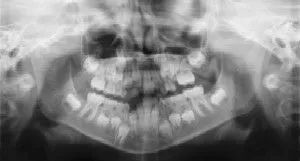
Radiographs (X-Rays) are a vital and necessary part of your child’s dental diagnostic process. Without them, certain dental conditions can and will be missed.
Radiographs detect much more than cavities. For example, radiographs may be needed to survey erupting teeth, diagnose bone diseases, evaluate the results of an injury, or plan orthodontic treatment. Radiographs allow dentists to diagnose and treat health conditions that cannot be detected during a clinical examination. If dental problems are found and treated early, dental care is more comfortable for your child and more affordable for you.
The American Academy of Pediatric Dentistry (AAPD) recommends radiographs and examinations every six months for children with a high risk of tooth decay. On average, most pediatric dentists request radiographs approximately once a year. Approximately every 3 years, it is a good idea to obtain a complete set of radiographs, either a panoramic and bitewings or periapicals and bitewings.
Pediatric dentists are particularly careful to minimize the exposure of their patients to radiation. With contemporary safeguards, the amount of radiation received in a dental X-ray examination is extremely small. The risk is negligible. In fact, the dental radiographs represent a far smaller risk than an undetected and untreated dental problem. Lead body aprons and shields will protect your child. Today’s equipment filters out unnecessary x-rays and restricts the x-ray beam to the area of interest. High-speed film and proper shielding assure that your child receives a minimal amount of radiation exposure.
What is the best toothpaste for my child?
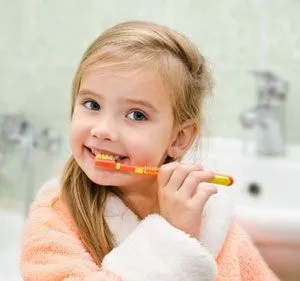
Tooth brushing is one of the most important tasks for good oral health. Many toothpastes, and/or tooth polishes, however, can damage young smiles. They contain harsh abrasives, which can wear away young tooth enamel.
When looking for a toothpaste for your child, make sure to pick one that is recommended by the American Dental Association (ADA) as shown on the box and tube. These toothpastes have undergone testing to insure they are safe to use.
Use only a smear of toothpaste (the size of a grain of rice) to brush the teeth of a child less than 3 years of age. For children 3 to 6 years old, use a "pea-size" amount of toothpaste and perform or assist your child’s toothbrushing. Remember that young children do not have the ability to brush their teeth effectively on their own. Children should spit out and not swallow excess toothpaste after brushing.
Is thumb sucking bad for children’s teeth?

Sucking is a natural reflex and infants and young children may use thumbs, fingers, pacifiers and other objects on which to suck. It may make them feel secure and happy, or provide a sense of security at difficult periods. Since thumb sucking is relaxing, it may induce sleep.
Thumb sucking that persists beyond the eruption of the permanent teeth can cause problems with the proper growth of the mouth and tooth alignment. How intensely a child sucks on fingers or thumbs will determine whether or not dental problems may result. Children who rest their thumbs passively in their mouths are less likely to have difficulty than those who vigorously suck their thumbs.
Children should cease thumb sucking by the time their permanent front teeth are ready to erupt. Usually, children stop between the ages of two and four. Peer pressure causes many school-aged children to stop.
Pacifiers are no substitute for thumb sucking. They can affect the teeth essentially the same way as sucking fingers and thumbs. However, use of the pacifier can be controlled and modified more easily than the thumb or finger habit. If you have concerns about thumb sucking or use of a pacifier, please contact our office
How can you help a child get through thumb sucking?
A few suggestions to help your child get through thumb sucking:
- Children often suck their thumbs when feeling insecure. Focus on correcting the cause of anxiety, instead of the thumb sucking.
- Children who are sucking for comfort will feel less of a need when their parents provide comfort.
- Reward children when they refrain from sucking during difficult periods, such as when being separated from their parents.
- Your pediatric dentist can encourage children to stop sucking and explain what could happen if they continue.
- If these approaches don’t work, remind the children of their habit by bandaging the thumb or putting a sock on the hand at night. Your pediatric dentist may recommend the use of a mouth appliance.
What is baby bottle tooth decay?

The term “baby bottle tooth decay” refers to early childhood caries (cavities), which occur in infants and toddlers. Baby bottle tooth decay may affect any or all of the teeth, but is most prevalent in the front teeth on the upper jaw.
If baby bottle tooth decay becomes too severe, the pediatric dentist may be unable to save the affected tooth. In such cases, the damaged tooth is removed, and a space maintainer is provided to prevent misalignment of the remaining teeth. Scheduling regular checkups with a pediatric dentist and implementing a good home care routine can completely prevent baby bottle tooth decay.
How does baby bottle tooth decay start?
Acid-producing bacteria in the oral cavity cause tooth decay. Initially, these bacteria may be transmitted from mother or father to baby through saliva. Every time parents share a spoon with the baby or attempt to clean a pacifier with their mouths, the parental bacteria invade the baby’s mouth.
The most prominent cause of baby bottle tooth decay however, is frequent exposure to sweetened liquids. These liquids include breast milk, baby formula, juice, and sweetened water – almost any fluid a parent might fill a baby bottle with.
When sweetened liquids are used as a nap-time or bedtime drink, they are a heightened risk because they remain in the mouth for an extended period of time. Oral bacteria feed on the sugar around teeth and emit harmful acids. These acids wear away tooth enamel, resulting in painful cavities and pediatric tooth decay.
Infants who are not receiving an appropriate amount of fluoride are at increased risk for tooth decay. Fluoride works to protect tooth enamel, simultaneously reducing mineral loss and promoting mineral re-uptake. Through a series of questionnaires and examinations, the pediatric dentist can determine whether a particular infant needs fluoride supplements or is at high-risk for baby bottle tooth decay.
Why is it important to maintain health of baby teeth?
Maintaining the health of primary (baby) teeth is exceptionally important. Although baby teeth will eventually be replaced, they fulfill several crucial functions in the meantime.
Baby teeth aid enunciation and speech production, help a child chew food correctly, maintain space for adult teeth, and prevent the tongue from posturing abnormally in the mouth. When baby teeth are lost prematurely, adjacent teeth shift to fill the gap, causing impacted adult teeth and the potential need for orthodontic treatment. This phenomenon can lead to impacted adult teeth, years of orthodontic treatment, and a poor aesthetic result.
Babies are at risk for tooth decay as soon as the first primary tooth emerges – usually around the age of six months. For this reason, the American Academy of Pediatric Dentistry (AAPD) recommends a “well-baby check up” with a pediatric dentist around the age of twelve months.
What is the purpose of primary teeth?
Most children have a full set of primary teeth by the time they’re three years old. Primary teeth are important for many reasons, as follows:
- Promote good nutrition through proper chewing
- Assist in speech development
- Build self-esteem by providing a beautiful smile
- Enable the child to pay attention and learn in school without the distraction of dental pain
- Provide a path for permanent teeth to follow when they are ready to erupt
Why is important to maintain health of primary teeth?
It is very important to maintain the health of the primary teeth. Neglected cavities can and frequently do lead to problems which affect developing permanent teeth. Primary teeth, or baby teeth are important for:
- Proper chewing and eating,
- Providing space for the permanent teeth and guiding them into the correct position
- Permitting normal development of the jaw bones and muscles
Primary teeth also affect the development of speech and add to an attractive appearance. While the front 4 teeth last until 6-7 years of age, the back teeth (cuspids and molars) aren’t replaced until age 10-13
In what order do primary teeth emerge?
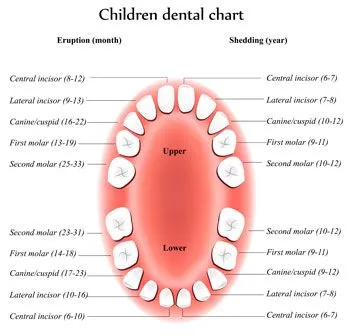
Children’s teeth begin forming before birth. As early as 4 months, the first primary (or baby) teeth to erupt through the gums are the lower central incisors, followed closely by the upper central incisors. Although all 20 primary teeth usually appear by age 3, the pace and order of their eruption varies.
Permanent teeth begin appearing around age 6, starting with the first molars and lower central incisors. At the age of 8, you can generally expect the bottom 4 primary teeth (lower central and lateral incisors) and the top 4 primary teeth (upper central and lateral incisors) to be gone and permanent teeth to have taken their place.
There is about a one to two year break from ages 8-10 and then the rest of the permanent teeth will start to come in. This process continues until approximately age 21.
Adults have 28 permanent teeth, or up to 32 including the third molars (or wisdom teeth).
As a general rule-of-thumb, the first teeth to emerge are the central incisors (very front teeth) on the lower and upper jaws (6-12 months). These (and any other primary teeth) can be cleaned gently with a soft, clean cloth to reduce the risk of bacterial infection. The central incisors are the first teeth to be lost, usually between 6 and 7 years of age.
Next, the lateral incisors (immediately adjacent to the central incisors) emerge on the upper and lower jaws (9-16 months). These teeth are lost next, usually between 7 and 8 years of age. First molars, the large flat teeth towards the rear of the mouth, then emerge on the upper and lower jaws (13-19 months).
The eruption of molars can be painful. Clean fingers, cool gauzes, and teething rings are all useful in soothing discomfort and soreness. First molars are generally lost between 9 and 11 years of age.
Canine (cuspid) teeth then tend to emerge on the upper and lower jaws (16-23 months). Canine teeth can be found next to the lateral incisors and are lost during preadolescence (10-12 years old). Finally, second molars complete the primary set on the lower and upper jaw (23-33 months). Second molars can be found at the very back of the mouth and are lost between the ages of 10 and 12 years old.
What happens if baby teeth aren’t taken care of?
Primary teeth can get cavities just like adult teeth. In addition to the pain caused by a cavity, young children can develop dental infections. Primary tooth decay is a serious, infectious, and transmissible disease that can spread quickly and lead to infection or abscess without proper precautions. This can be especially harmful to children because their immune systems aren’t fully developed
If a tooth becomes infected and needs to be extracted, your dentist will recommend inserting a space maintainer. If the space is not preserved, other teeth may drift, causing difficult-to-treat crowding and orthodontic problems when permanent teeth come in
The most important aspect of taking care of your child’s primary teeth is the example you help to set. Early on, your child should develop the habit of brushing and flossing that will carry into adulthood. Healthy teeth also lead to easier dental visits, teaching your child that there is nothing to be afraid of at the dentist
What can I do to prevent baby bottle tooth decay?
Baby bottle tooth decay can be completely prevented by a committed parent.
Brushing Tips:
- Starting at birth, clean your child's gums with a soft cloth and water.
- As soon as your child's teeth erupt, brush them with a soft-bristled toothbrush.
- If they are under the age of 2, use a small "smear" of toothpaste.
- If they're 2-5 years old, use a "pea-size" amount of toothpaste.
- Be sure and use an American Dental Association (ADA) accepted fluoride toothpaste and make sure your child does not swallow it.
- When brushing, the parent should brush the child's teeth until they are old enough to do a good job on their own.
Flossing Tips:
- Flossing removes plaque between teeth and under the gumline where a toothbrush can't reach.
- Flossing should begin when any two teeth touch.
- Be sure and floss your child's teeth daily until he or she can do it alone.
What can I do to prevent tooth decay?
Making regular dental appointments and following the guidelines will keep each child’s smile bright, beautiful, and free of decay:
- Try not to transmit bacteria to your child via saliva exchange. Rinse pacifiers and toys in clean water, and use a clean spoon for each person eating.
- Clean gums after every feeding with a clean washcloth.
- Use an appropriate toothbrush along with an American Dental Association (ADA) approved toothpaste to brush when teeth begin to emerge. Fluoride-free toothpaste is recommended for children under the age of two.
- Use a pea-sized amount of American Dental Association (ADA) approved fluoridated toothpaste when the child has mastered the art of “spitting out” excess toothpaste. Though fluoride is important for the teeth, too much consumption can result in a condition called fluorosis.
- Do not place sugary drinks in baby bottles or sippy cups. Only fill these containers with water, breast milk, or formula. Encourage the child to use a regular cup (rather than a sippy cup) when the child reaches twelve months old.
- Do not dip pacifiers in sweet liquids (honey, etc.).
- Review your child’s eating habits. Eliminate sugar-filled snacks & encourage a healthy, nutritious diet.
- Do not allow the child to take a liquid-filled bottle to bed. If the child insists, fill the bottle with water as opposed to a sugary alternative.
- Clean your child’s teeth until he or she reaches the age of seven. Before this time, children are often unable to reach certain places in the mouth.
- Ask the pediatric dentist to review your child’s fluoride levels.
What causes cavities?
Childhood cavities, also known as childhood tooth decay and childhood caries, are common in children all over the world. There are two main causes of cavities: poor dental hygiene and sugary diets. Cavities can be incredibly painful and often lead to tooth decay and childhood periodontitis if left untreated. Ensuring that children eat a balanced diet, embarking on a sound home oral care routine, and visiting the pediatric dentist biannually are all crucial factors for both cavity prevention and excellent oral health.
Cavities form when children’s teeth are exposed to sugary foods on a regular basis. Sugars and carbohydrates (like the ones found in white bread) collect on and around the teeth after eating. A sticky film (plaque) then forms on the tooth enamel. The oral bacteria within the plaque continually ingest sugar particles and emit acid. Initially, the acid attacks the tooth enamel, weakening it and leaving it vulnerable to tooth decay. If conditions are allowed to worsen, the acid begins to penetrate the tooth enamel and erodes the inner workings of the tooth.
Although primary (baby) teeth are eventually lost, they fulfill several important functions and should be protected. It is essential that children brush and floss twice per day (ideally more), and visit the dentist for biannual cleanings. Sometimes the pediatric dentist coats teeth with a sealant and provides fluoride supplements to further bolster the mouth’s defenses.
How will I know if my child has a cavity?
Large cavities can be excruciatingly painful, whereas tiny cavities may not be felt at all. Making matters even trickier, cavities sometimes form between the teeth, making them invisible to the naked eye. Dental X-rays and the dentist’s trained eyes help pinpoint even the tiniest of cavities so they can be treated before they worsen.
Some of the major symptoms of cavities include:
- Pain
- Toothache
- Sensitivity to spicy foods
- Nighttime waking and crying
- Heightened sensitivity to cool or warm foods
If a child is experiencing any of these symptoms, it is important to visit the pediatric dentist. Failure to do so will make the problem worse, leave the child in pain, and possibly jeopardize a tooth that could have been treated.
How do I prevent cavities?
Biannual visits with the pediatric dentist are only part of the battle against cavities. Here are some helpful guidelines for cavity prevention:
- Analyze the diet: Too many sugary or starchy snacks can expedite cavity formation. Replace sugary snacks like candy with natural foods where possible, and similarly, replace soda with water.
- Cut the snacks: Snacking too frequently can unnecessarily expose teeth to sugars. Save the sugar and starch for mealtimes, when the child is producing more saliva, and drinking water. Make sure they consume enough water to cleanse the teeth.
- Lose the sippy cup: Sippy cups are thought to cause “baby bottle tooth decay” when they are used beyond the intended age (approximately twelve months). The small amount of liquid emitted with each sip causes sugary liquid to continually swill around the teeth.
- Avoid stickiness: Sticky foods (like toffee) form plaque quickly and are extremely difficult to pry off the teeth. Avoid them when possible.
- Rinse the pacifier: Oral bacteria can be transmitted from mother or father to baby. Rinse a dirty pacifier with running water as opposed to sucking on it to avoid contaminating the baby’s mouth.
- Drinks at bedtime: Sending a child to bed with a bottle or sippy cup is bad news. The milk, formula, juice, or sweetened water basically sits on the teeth all night – attacking enamel and maximizing the risk of cavities. Ensure the child brushes the teeth before bedtime.
- Don’t sweeten the pacifier: Parents sometimes dip pacifiers in honey to calm a cranky child. Do not be tempted to do this. Use a blanket, toy, or hug to calm the child instead.
- Brush and floss: Parents should brush and floss their child’s teeth twice each day until the child reaches the age of seven years old. Before this time, children struggle to brush every area of the mouth effectively.
- Check on fluoride: When used correctly, fluoride can strengthen tooth enamel and help stave off cavities. Too much or too little fluoride can actually harm the teeth, so ask the pediatric dentist for a fluoride assessment.
- Keep to appointments: The child’s first dental visit should be scheduled around his or her first birthday, as per the American Academy of Pediatric Dentistry (AAPD) guidelines. Keep to a regular appointment schedule to create healthy smiles!
How do sealants and fluoride prevent cavities?
Good oral hygiene removes bacteria and the left over food particles that combine to create cavities. For infants, use a wet gauze or clean washcloth to wipe the plaque from teeth and gums. Avoid putting your child to bed with a bottle filled with anything other than water
For older children, brush their teeth at least twice a day. Also, watch the number of snacks containing sugar that you give your children.
The American Academy of Pediatric Dentistry (AAPD) recommends visits every six months to the pediatric dentist, beginning at your child’s first birthday. Routine visits will start your child on a lifetime of good dental health.
Your pediatric dentist may also recommend protective sealants or home fluoride treatments for your child. Sealants can be applied to your child’s molars to prevent decay on hard to clean surfaces.
Protective Sealants:
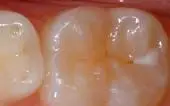
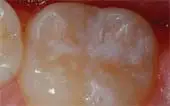
A sealant is a protective coating that is applied to the chewing surfaces (grooves) of the back teeth (premolars and molars), where four out of five cavities in children are found. This sealant acts as a barrier to food, plaque and acid, thus protecting the decay-prone areas of the teeth.
Fluoride:
Fluoride is a naturally occurring element, which has shown to prevent tooth decay by as much as 50-70%, Despite the advantages, too little or too much fluoride can be detrimental to the teeth. With little or no fluoride, the teeth aren’t strengthened to help them resist cavities. Excessive fluoride ingestion by young children can lead to dental fluorosis, which is typically a chalky white discoloration (brown in advanced cases) of the permanent teeth. Be sure to follow your pediatric dentist’s instructions on suggested fluoride use and possible supplements, if needed.
You can help by using a fluoride toothpaste and only a smear of toothpaste (the size of a grain of rice) to brush the teeth of a child less than 3 years of age. For children 3 to 6 years old, use a "pea-size" amount of toothpaste and perform or assist your child’s toothbrushing. Remember that young children do not have the ability to brush their teeth effectively on their own. Children should spit out and not swallow excess toothpaste after brushing, in order to avoid fluorosis.
Xylitol - Reducing Cavities:
The American Academy of Pediatric Dentistry (AAPD) recognizes the benefits of xylitol on the oral health of infants, children, adolescents, and persons with special health care needs.
The use of XYLITOL GUM by mothers (2-3 times per day) starting 3 months after delivery and until the child was 2 years old, has proven to reduce cavities up to 70% by the time the child was 5 years old.
Studies using xylitol as either a sugar substitute or a small dietary addition have demonstrated a dramatic reduction in new tooth decay, along with some reversal of existing dental caries. Xylitol provides additional protection that enhances all existing prevention methods. This xylitol effect is long-lasting and possibly permanent. Low decay rates persist even years after the trials have been completed.
Xylitol is widely distributed throughout nature in small amounts. Some of the best sources are fruits, berries, mushrooms, lettuce, hardwoods, and corn cobs. One cup of raspberries contains less than one gram of xylitol.
Studies suggest xylitol intake that consistently produces positive results ranged from 4-20 grams per day, divided into 3-7 consumption periods. Higher results did not result in greater reduction and may lead to diminishing results. Similarly, consumption frequency of less than 3 times/day showed no effect.
What to do when your child grinds their teeth (at night)?
Grinding of Teeth (i.e., Bruxism) is remarkably common in children and adults. For some children, this tooth grinding is limited to daytime hours, but nighttime grinding (during sleep) is most prevalent. Bruxism can lead to a wide range of dental problems, depending on the frequency of the behavior, the intensity of the grinding, and the underlying causes of the grinding.
A wide range of psychological, physiological, and physical factors may lead children to brux. In particular, jaw misalignment (bad bite), stress, and traumatic brain injury are all thought to contribute to bruxism, although grinding can also occur as a side effect of certain medications.
What are some symptoms of grinding of teeth?
In general, parents can usually hear intense grinding – especially when it occurs at nighttime. Subtle daytime jaw clenching and grinding, however, can be difficult to pinpoint. Oftentimes, general symptoms provide clues as to whether or not the child is bruxing, including:
- Unusual tooth sensitivity to hot and cold foods
- Loud grinding or clicking sounds
- Frequent complaints of headache
- Injured teeth and gums
- Rhythmic tightening or clenching of the jaw muscles
- Unusual complaints about painful jaw muscles – especially in the morning
What causes grinding of teeth (or bruxism)?
Grinding of Teeth (i.e., Bruxism) can be caused by several different factors. Most commonly, “bad bite” or jaw misalignment promotes grinding. Pediatric dentists also notice that children tend to brux more frequently in response to life stressors. If the child is going through a particularly stressful exam period or is relocating to a new school for example, nighttime bruxing may either begin or intensify.
Children with certain developmental disorders and brain injuries may be at particular risk for grinding. In such cases, your pediatric dentist may suggest botulism injections to calm the facial muscles, or provide a protective nighttime mouthpiece. If the onset of bruxing is sudden, current medications need to be evaluated. Though bruxing is a rare side effect of specific medications, the medication itself may need to be switched for an alternate brand.
How can grinding of teeth damage my child's teeth?
Grinding of Teeth (i.e., Bruxism) is characterized by the grinding of the upper jaw against the lower jaw. Especially in cases where there is vigorous grinding, the child may experience moderate to severe jaw discomfort, headaches, and ear pain. Even if the child is completely unaware of nighttime bruxing (and parents are unable to hear it), the condition of the teeth provides your pediatric dentist with important clues.
First, chronic grinders usually show an excessive wear pattern on the teeth. If jaw misalignment is the cause, tooth enamel may be worn down in specific areas. In addition, children who brux are more susceptible to chipped teeth, facial pain, gum injury, and temperature sensitivity. In extreme cases, frequent, harsh grinding can lead to the early onset of temporomandibular joint disorder (TMJ).
How is grinding of teeth (bruxism ) treated?
Grinding of Teeth (i.e., Bruxism) spontaneously ceases by the age of thirteen in the majority of children. In the meantime however, your pediatric dentist will continually monitor its effect on the child’s teeth and may provide an interventional strategy.
In general, the cause of the grinding dictates the treatment approach. If the child’s teeth are badly misaligned, your pediatric dentist may take steps to correct this. Some of the available options include: altering the biting surface of teeth with crowns, and beginning occlusal treatment.
If bruxing seems to be exacerbated by stress, your pediatric dentist may recommend relaxation classes, professional therapy, or special exercises. The child’s pediatrician may also provide muscle relaxants to alleviate jaw clenching and reduce jaw spasms.
In cases where young teeth are sustaining significant damage, your pediatric dentist may suggest a specialized nighttime dental appliance such as a nighttime mouth guard. Mouth guards stop tooth surfaces from grinding against each other, and look similar to a mouthpiece a person might wear during sports. Bite splints or bite plates fulfill the same function and are almost universally successful in preventing grinding damage.
How to prevent against injuries?
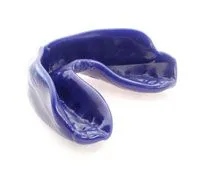
When a child begins to participate in recreational activities and organized sports, injuries can occur. A properly fitted mouth guard, or mouth protector, is an important piece of athletic gear that can help protect your child’s smile, and should be used during any activity that could result in a blow to the face or mouth.
Mouth guards help prevent broken teeth, and injuries to the lips, tongue, face or jaw. A properly fitted mouth guard will stay in place while your child is wearing it, making it easy for them to talk and breathe. Ask your pediatric dentist about custom and store-bought mouth protectors.
What to do if teeth are coming in behind baby teeth?
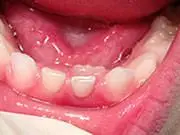
This is a very common occurrence with children, usually the result of a lower, primary (baby) tooth not falling out when the permanent tooth is coming in. In most cases if the child starts wiggling the baby tooth, it will usually fall out on its own within two months.
If it doesn't, then contact your pediatric dentist, where they can easily remove the tooth. The permanent tooth should then slide into the proper place.
What is Pulp Therapy?
The pulp of a tooth is the inner, central core of the tooth. The pulp contains nerves, blood vessels, connective tissue and reparative cells. The purpose of pulp therapy in Pediatric Dentistry is to maintain the vitality of the affected tooth (so the tooth is not lost).
Dental caries (cavities) and traumatic injury are the main reasons for a tooth to require pulp therapy. Pulp therapy is often referred to as a "nerve treatment", "children's root canal", "pulpectomy" or "pulpotomy". The two common forms of pulp therapy in children's teeth are the pulpotomy and pulpectomy.
A pulpotomy removes the diseased pulp tissue within the crown portion of the tooth. Next, an agent is placed to prevent bacterial growth and to calm the remaining nerve tissue. This is followed by a final restoration (usually a stainless steel crown).
A pulpectomy is required when the entire pulp is involved (into the root canal(s) of the tooth). During this treatment, the diseased pulp tissue is completely removed from both the crown and root. The canals are cleansed, disinfected and, in the case of primary teeth, filled with a resorbable material. Then, a final restoration is placed. A permanent tooth would be filled with a non-resorbing material.
What is the best time for Orthodontic Treatment?

Developing malocclusions, or bad bites, can be recognized as early as 2-3 years of age. Often, early steps can be taken to reduce the need for major orthodontic treatment at a later age.
- Stage I – Early Treatment: This period of treatment encompasses ages 2 to 6 years. At this young age, we are concerned with underdeveloped dental arches, the premature loss of primary teeth, and harmful habits such as finger or thumb sucking. Treatment initiated in this stage of development is often very successful and many times, though not always, can eliminate the need for future orthodontic/orthopedic treatment.
- Stage II – Mixed Dentition: This period covers the ages of 6 to 12 years, with the eruption of the permanent incisor (front) teeth and 6 year molars. Treatment concerns deal with jaw malrelationships and dental realignment problems. This is an excellent stage to start treatment, when indicated, as your child’s hard and soft tissues are usually very responsive to orthodontic or orthopedic forces.
- Stage III – Adolescent Dentition: This stage deals with the permanent teeth and the development of the final bite relationship.
How can parents (& caregivers) help at home?
Though most parents primarily think of brushing and flossing when they hear the words “oral care,” good preventative care includes:
- General oral hygiene: Sometimes, parents clean pacifiers and teething toys by sucking on them. Parents may also share eating utensils with the child. By performing these acts, parents transfer harmful oral bacteria to their child, increasing the risk of early cavities and tooth decay. Instead, rinse toys and pacifiers with warm water, and avoid spoon-sharing whenever possible.
- Oral habits: Though pacifier use and thumb sucking generally cease over time, both can cause the teeth to misalign. If the child must use a pacifier, choose an “orthodontically” correct model. This will minimize the risk of developmental problems like narrow roof arches and crowding. The pediatric dentist can suggest a strategy (or provide a dental appliance) for thumb sucking cessation.
- Sippy cup use: Sippy cups are an excellent transitional aid when transferring from a baby bottle to an adult drinking glass. However, sippy cups filled with milk, breast milk, soda, juice, and sweetened water cause small amounts of sugary fluid to continually swill around young teeth – meaning acid continually attacks tooth enamel. Sippy cup use should be terminated between the ages of twelve and fourteen months or as soon as the child has the motor skills to hold a drinking glass.
- Brushing: Children’s teeth should be brushed a minimum of two times per day using a soft bristled brush and a pea-sized amount of toothpaste. Parents should help with the brushing process until the child reaches the age of seven and is capable of reaching all areas of the mouth. Parents should always opt for American Dental Association (ADA) approved toothpaste (non-fluoridated before the age of two, and fluoridated thereafter). For babies, parents should rub the gum area with a clean cloth after each feeding.
- Flossing: Cavities and tooth decay form more easily between teeth. Therefore, the child is at risk for between-teeth cavities wherever two teeth grow adjacent to each other. The pediatric dentist can help demonstrate correct head positioning during the flossing process and suggest tips for making flossing more fun!
- Diet: Parents should provide children with a nourishing, well-balanced diet. Very sugary diets should be modified and continuous snacking should be discouraged. Oral bacteria ingest leftover sugar particles in the child’s mouth after each helping of food, emitting harmful acids that erode tooth enamel, gum tissue, and bone. Space out snacks when possible, and provide the child with non-sugary alternatives like celery sticks, carrot sticks, and low-fat yogurt.
- Fluoride: Fluoride helps prevent mineral loss and simultaneously promotes the remineralization of tooth enamel. Too much fluoride can result in fluorosis, a condition where white specks appear on the permanent teeth, and too little can result in tooth decay. It is important to get the fluoride balance correct. The pediatric dentist can evaluate how much the child is currently receiving and prescribe supplements if necessary
- Keep to appointments: Per American Academy of Pediatric Dentistry (AAPD) guidelines, keep to a regular appointment schedule for healthy smiles!
If you have questions or concerns about any of these topics, please contact our office